

Getting inundated with login notifications? You might be experiencing an MFA fatigue attack that tricks people into approving fake login requests. Here’s how to spot the scam and protect yourself.
Protect your loved ones - Your cybersecurity checklist
October 09, 2026
Don’t know where to start when it comes to staying safe online? We’ve broken down simple, easy to complete tips for everyone, plus specific help for kids and seniors.

Small steps can help make a big difference in protecting what matters most.

Tips for everyone
These are lifelong habits that apply to all ages and will help keep you safe online.
- Create strong, unique passwords for every account.
- Protect your accounts with Multi-factor Authentication (MFA) and never approve login notifications you didn’t initiate (MFA fatigue attacks).
- Always backup your phone and computers in case of cyber-attack or damage.
- Only download apps from trusted sources and enable automatic updates.
- Always verify suspicious links or emails before opening them.
Tips for kids
You don’t have to be a tech expert to teach your kids online safety.
- Verify links and downloads with an adult before clicking and watch for red flags like typos and prizes.
- Limit what they share online so that name, age, school and address are private.
- Enable parental controls that restrict downloads and limit access to apps and websites.
- Keep computers in public spaces where parents can see activity.
- Online gaming should be done on a device that has firewall and anti-spyware protection
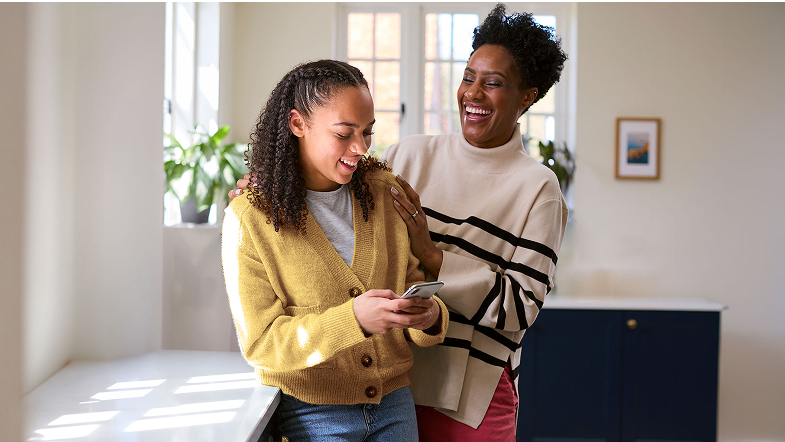

Tips for seniors
Changing technology can be hard to keep up with but these tips will keep you safe, no matter your comfort with the internet.
- Never share personal information with unsolicited callers, emailers, visitors or texters.
- Do not answer unsolicited request for tech support, information, money or anything that is made to look urgent.
- Ask for a full name, employee ID, callback number or email before proceeding with someone you’re unsure about.
- Check email addresses and links for suspicious senders and URLs.
- Use privacy settings on social media to limit information visible to the public.
Stay informed of current scams which you can find in our cybersecurity hub.
Report any scams or fraud to the Canadian Anti-Fraud Centre.